
Blog

Explore our blog for expert insights, industry trends,
and practical tips for urban security enhancement.

traditional-vs-professional-security-guarding

Traditional vs. Professional Security Guarding: The Difference Technology Makes

The presence of a guard at a facility gate can look like the same service regardless of the provider. The differences emerge in how work is managed, people are trained, supervision is carried out and activities are documented. Comparing traditional and professional guarding is therefore not a judgment of individuals; it is a comparison between a limited operating model and a more organized, reviewable one.

From Presence to Clearly Defined Responsibilities

In a less structured model, duties may focus on being physically present and following verbal instructions. Professional operations, by contrast, rely on written descriptions of duties, guard posts, entry procedures and rules for reporting and escalation.

Training and Situational Readiness

Professional guarding involves advance orientation to the site’s characteristics and training appropriate to each person’s duties. This includes visitor communication, careful observation and handling situations within assigned authority and approved emergency plans.

Supervision and Performance Measurement

Occasional visits to the site are not sufficient. A designated supervisor, follow-up procedures and periodic reports help clients understand what has been delivered. Depending on the service, indicators may include shift compliance, documentation quality and adherence to the operating plan.

What Technology Adds

Electronic systems can record attendance, organize security-status reports, display selected information to clients and link operations to reporting and billing, subject to actual system capabilities. No system should be called fully integrated or real-time without confirming its functions and update methods.

Comparing Options from the Client’s Perspective

Ask about responsibilities, training, communications, absence coverage, incident escalation, report contents and data access permissions. These factors are more useful when choosing a provider than comparing hourly rates alone.

Conclusion

Professional guarding combines qualified people, clear procedures, regular supervision and documented information. When used appropriately, technology can make security services more transparent for clients and easier to review and improve.

Call to action: Looking for security services tailored to your facility? Contact City Security’s sales team: +966 53 966 4165 | sales@citysecuritysa.com.


security-client-success-stories

Our Clients’ Success Stories: How to Document Security Guarding Results

Real success stories help organizations understand how security services affect day-to-day operations. The value of a case study, however, comes from documenting the client’s needs, the measures implemented and verifiable results—not promotional language. Confidentiality and consent are essential.

What Makes a Success Story Useful?

A case study should start by identifying the type of facility without revealing unauthorized information. It should then clearly describe the operational challenge, such as multiple entry points, the need to organize shifts or difficulties compiling reports. Next, it should explain how the challenge was addressed within the contracted service scope.

Case Study Template to Complete

Industry: [Example: commercial facility — specify only after client approval].

Challenge: [Verified, approved description of the issue before service began].

Security solution: [Guard posts, supervision arrangements and follow-up procedures actually implemented, without revealing sensitive information].

Technology used: [Functions actually used, such as electronic attendance, reporting and the client dashboard].

Results: [Verified measurable indicators, with the period and method of measurement where available].

Client testimonial: [Approved quotation with the organization’s name or permitted attribution; otherwise remove this section].

Which Indicators Can Be Reported?

Possible indicators include the punctual delivery of reports, completeness of attendance data, time taken to close observations and client satisfaction—provided the data exists and publication is permitted. Do not publish incident-reduction or efficiency-improvement percentages without a clear methodology and verified evidence.

Protecting Confidentiality and Credibility

Review the case study with the client before publication, and conceal sensitive details about locations, security schedules and personnel. An anonymized story may be published only if the underlying case is genuine and the disclosed details have been approved.

Conclusion

The best success story answers three questions: What was the problem? What was implemented? What was the verified outcome? Once City Security has an approved real-world case, this template can be replaced with a finalized account containing substantiated details.

Call to action: Looking for security services tailored to your facility? Contact City Security’s sales team: +966 53 966 4165 | sales@citysecuritysa.com.
night-security-guarding-challenges

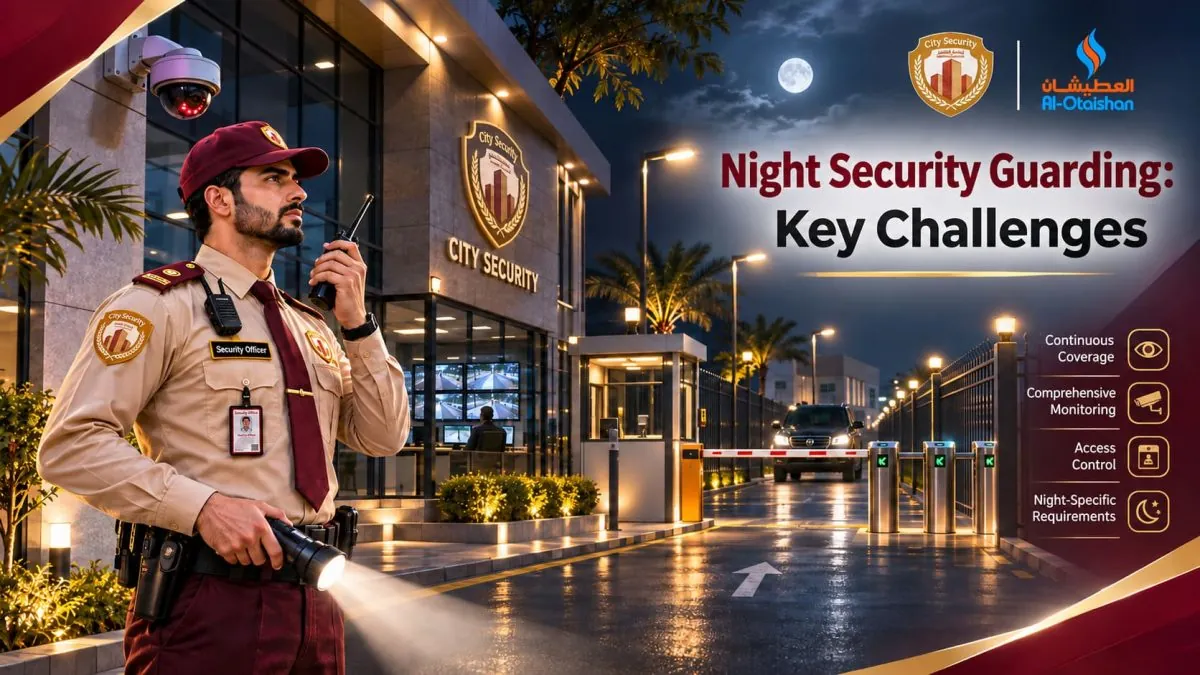
Night Security Guarding: Key Challenges and Ways to Improve Readiness

Night operations differ from daytime work. Employee and visitor movements may decrease, while lighting, communications and response support become more demanding. Effective night guarding therefore requires a plan tailored to the site rather than a simple repeat of daytime arrangements.

What Are the Main Night Security Challenges?

Common challenges include low visibility in certain areas, changing vehicle traffic patterns, smaller teams and the difficulty of detecting some faults or breaches quickly. Fatigue from long shifts can also affect concentration, making rest arrangements important in accordance with relevant rules and instructions.

Lighting and Patrol Routes

Areas requiring monitoring should be identified, lighting at entrances, walkways and outdoor spaces reviewed, and patrol instructions established based on risk assessment. Patrols must not leave critical points uncovered or require guards to approach hazards without appropriate support.

Shift Handover Procedures

Handover is essential for communicating observations from the previous shift, equipment condition and unresolved follow-up items. A well-maintained electronic log may reduce information loss between shifts when used in accordance with approved procedures.

Communication and Emergency Management

Night teams need reliable communication tools, defined contact numbers and suitable escalation plans. Doors, exits and emergency access routes should be reviewed with facility representatives without compromising safety procedures.

The Role of Digital Monitoring

Attendance systems, security-status updates and periodic reporting may provide clearer information to supervisors and clients. Nevertheless, digital monitoring does not remove the need for supervisory visits or on-site assessments of real conditions.

Conclusion

Night guarding works best when duties are allocated appropriately, lighting and communication equipment are reliable, handover procedures are clear and records are maintained regularly. Every night security plan should be built around the facility’s own risks.

Call to action: Looking for security services tailored to your facility? Contact City Security’s sales team: +966 53 966 4165 | sales@citysecuritysa.com.

role-of-security-guards-in-incident-prevention

The Role of Security Guards in Preventing Incidents at Facilities

Incident prevention is a shared responsibility among facility management, security, safety and operations teams. Security guards support this system through observation, reporting, movement management and action taken under approved instructions. They do not replace civil defense or specialist safety teams.

Early Observation Reduces Surprises

A guard may notice an obstruction in a designated corridor, a door that should remain closed or unusual crowding at a facility entrance. Early reporting helps the responsible team assess and address such issues before they develop further.

Managing Movement and Access

Applying entry and exit procedures helps reduce overlap among visitors, vehicles and operational areas, particularly at shipping and receiving sites or events. Instructions to guards should be clear and respect safety and individual rights.

Reporting and Escalation

Noticing a problem is not enough if there is no clear way to notify a supervisor or management. Knowing escalation levels, contact numbers and each party’s responsibilities is therefore fundamental to guard readiness.

Supporting Emergency Response

During an emergency, the guard follows the approved plan, helps direct people, keeps designated routes clear and requests assistance from the competent authorities. Personnel should not be assigned specialist rescue, firefighting or first-aid duties without the required training, equipment and authorization.

Documentation After an Incident

Guards should record what they personally observed, when events occurred and which parties were informed, using objective language without speculation. These records support procedural review and improvement, while confidentiality must be respected and details shared only with authorized parties.

Conclusion

The main value of preventive guarding lies in regular vigilance, prompt reporting and disciplined adherence to procedures. Clearer responsibilities and better coordination help facilities manage everyday risks more effectively.

Call to action: Looking for security services tailored to your facility? Contact City Security’s sales team: +966 53 966 4165 | sales@citysecuritysa.com.
modern-technology-in-security-guarding

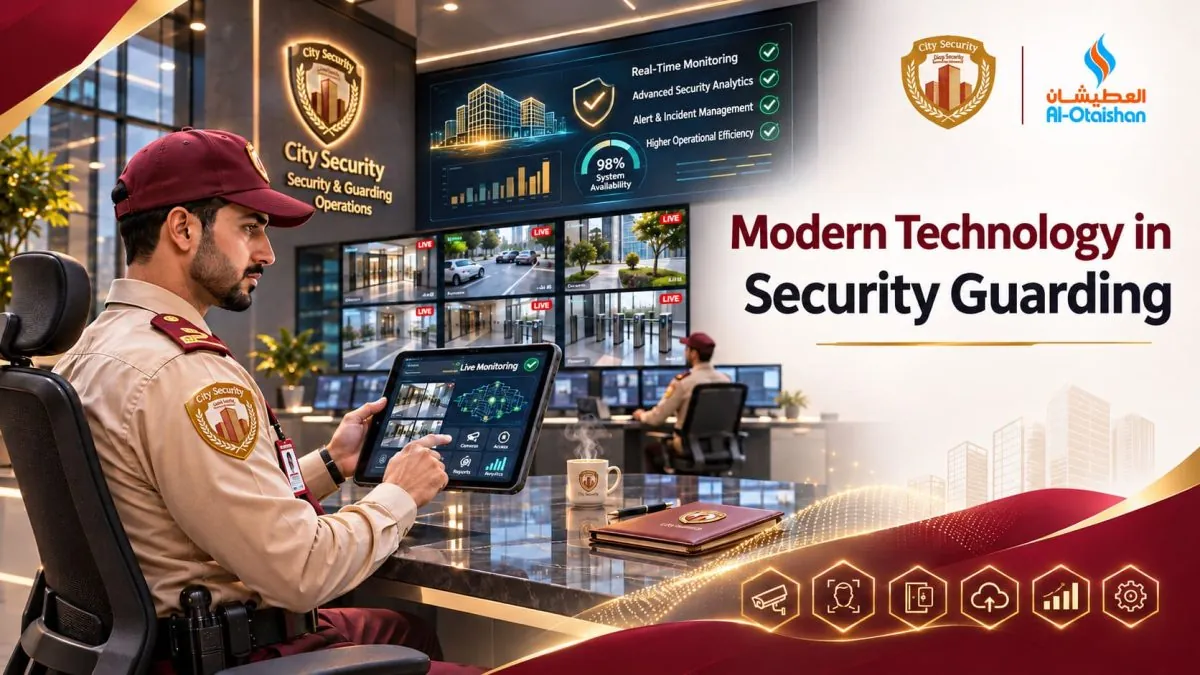
Modern Technology in Security Guarding: From Digital Attendance to Reporting

Digital transformation is increasingly important in improving security services because it organizes operational information and makes it clearer for those responsible. Technology, however, remains a tool supporting guards, supervisors and management; it does not replace training or field procedures.

Digital Clock-In and Clock-Out

Electronic attendance records help track shifts, working hours, late arrivals and absences, depending on the system’s implementation and workplace policies. There should also be a process for dealing with outages or challenges to recorded entries.

Monitoring Sites and Personnel Deployment

A system may display assigned locations, on-site presence and shift indicators. Accuracy, update frequency and location-identification methods vary, so providers should explain whether data is updated periodically or in response to a specific action in the app.

Security-Status Updates and Reports

An app can help record site observations and submit security-status reports regularly. Under the requirements supplied for the City Security project, security status is submitted through the app every hour. Marketing material must distinguish this hourly reporting cycle from the refresh frequency of other indicators on the client dashboard.

A Dedicated Client Dashboard

A client dashboard can bring attendance, shifts, site conditions and reports together under appropriate access permissions. This matters to organizations that need organized service visibility without relying on fragmented files and message exchanges.

Reports and Billing

Connecting operational records to invoicing and financial follow-up processes can reduce repeated manual entry and make information easier to review. The level of actual integration must be confirmed before describing invoicing as fully automated.

Cybersecurity and Information Protection

Successful deployment also depends on managing user permissions, protecting accounts and records, training users in privacy practices and setting data retention periods and access procedures.

Conclusion

Technology adds the most value when it turns field information into clear, reviewable records. At City Security, clients can discuss the available electronic monitoring arrangements when requesting guarding services for their facilities.

Call to action: Looking for security services tailored to your facility? Contact City Security’s sales team: +966 53 966 4165 | sales@citysecuritysa.com.

residential-compound-safety-systems

Safety Systems in Residential Compounds: Combining Guards, Procedures and Technology

Residential compounds combine residents’ privacy with the daily movement of visitors, service providers and people using shared facilities. Security therefore needs clear procedures that preserve residents’ comfort without weakening oversight of entrances and common areas.

Managing Entrances and Visitors

A plan begins by identifying main and service gates, peak hours and the procedures for admitting visitors and contractors. Consistent authorization and verification rules reduce confusion while respecting applicable regulations and personal-data protection.

Guarding and Monitoring Have Different Roles

Guards provide field oversight, visitor direction and reporting of observations. Cameras and access-control systems, where available and approved, support observation and documentation. Technology alone is insufficient unless responsibility for responding to its alerts is clearly assigned.

Safety in Shared Facilities

Parking areas, corridors, entrances, service zones and areas around pools or playgrounds require specific risk assessments. Guarding arrangements should be coordinated with maintenance, safety teams and compound management. Guards should not be assigned tasks beyond their authority or qualifications.

Emergency Preparedness

Evacuation routes, assembly points, emergency contacts and communication with compound management should be known in advance. The clarity of instructions should be tested, and contact numbers and responsibility lists updated according to approved procedures.

Transparent Service Monitoring

Electronic records of shifts and security conditions may help compound management evaluate compliance. In all cases, data access should be limited to authorized personnel, and information about residents or sensitive locations should not be shared without a valid reason.

Conclusion

Residential compound security starts with resident-appropriate procedures, disciplined guarding and effective coordination between security, safety and property management. The required coverage depends on the compound’s size, facilities and access points.

Call to action: Looking for security services tailored to your facility? Contact City Security’s sales team: +966 53 966 4165 | sales@citysecuritysa.com.

security-guards-for-large-events

Security Guard Services for Large Events: Planning, Access and Crowd Management

Large events require a balance between attendees’ experience, safety and operational discipline. Security guarding for events is not simply a matter of increasing headcount: duties need to be allocated according to the venue layout, audience characteristics and event schedule.

Security Starts Before the Gates Open

Before an event, review the site map, entrances, exits, loading and unloading areas, assembly points and access routes for emergency teams. Estimating peak periods and understanding the event type also helps build a suitable movement and direction plan.

Organizing Entry and Exit

Entrances need clear instructions for permit checking, queue management and visitor direction. Operational entrances should be separated from public entrances where the event plan permits. Accessibility needs must be accommodated, and evacuation routes must remain clear.

Guard Deployment and Communication

The venue can be divided into zones with defined responsibilities, supervisors, communication channels and reporting escalation procedures. Every guard should know whom to contact if an entrance becomes crowded, a visitor loses an item or a safety concern arises.

Handling Emergencies

Security procedures must align with the event organizer’s approved emergency plan and the relevant authorities’ requirements. Guards help direct people, report incidents and maintain designated routes in accordance with their training and instructions.

Why Post-Event Reports Matter

Recording observations, peak periods and incidents can improve future event planning. Electronic systems, when used, may simplify the collection of shift records and security-status information for a structured operational summary.

Conclusion

A well-run event depends on a clear plan and ongoing coordination among organizers, security personnel and safety teams. Defining needs early allows resources to be deployed more effectively and contributes to a better-organized attendee experience.

Call to action: Looking for security services tailored to your facility or event? Contact City Security’s sales team: +966 53 966 4165 | sales@citysecuritysa.com.

section-0f93366

Keep up to date - Get e-mail updates

Stay tuned for the latest company news.

whatsapp-icon
Logo

We specialize in security services, consultations, and the provision of safety systems, ensuring comprehensive protection tailored to our clients' needs.