modern-technology-in-security-guarding

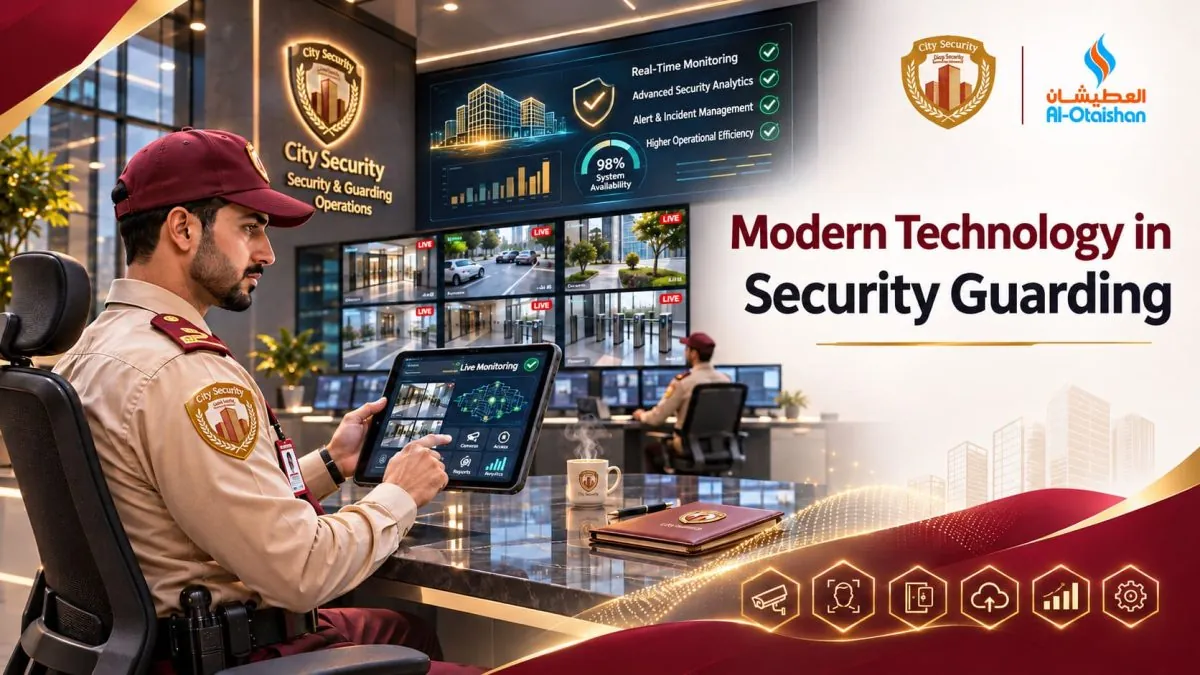
Modern Technology in Security Guarding: From Digital Attendance to Reporting

Digital transformation is increasingly important in improving security services because it organizes operational information and makes it clearer for those responsible. Technology, however, remains a tool supporting guards, supervisors and management; it does not replace training or field procedures.

Digital Clock-In and Clock-Out

Electronic attendance records help track shifts, working hours, late arrivals and absences, depending on the system’s implementation and workplace policies. There should also be a process for dealing with outages or challenges to recorded entries.

Monitoring Sites and Personnel Deployment

A system may display assigned locations, on-site presence and shift indicators. Accuracy, update frequency and location-identification methods vary, so providers should explain whether data is updated periodically or in response to a specific action in the app.

Security-Status Updates and Reports

An app can help record site observations and submit security-status reports regularly. Under the requirements supplied for the City Security project, security status is submitted through the app every hour. Marketing material must distinguish this hourly reporting cycle from the refresh frequency of other indicators on the client dashboard.

A Dedicated Client Dashboard

A client dashboard can bring attendance, shifts, site conditions and reports together under appropriate access permissions. This matters to organizations that need organized service visibility without relying on fragmented files and message exchanges.

Reports and Billing

Connecting operational records to invoicing and financial follow-up processes can reduce repeated manual entry and make information easier to review. The level of actual integration must be confirmed before describing invoicing as fully automated.

Cybersecurity and Information Protection

Successful deployment also depends on managing user permissions, protecting accounts and records, training users in privacy practices and setting data retention periods and access procedures.

Conclusion

Technology adds the most value when it turns field information into clear, reviewable records. At City Security, clients can discuss the available electronic monitoring arrangements when requesting guarding services for their facilities.

Call to action: Looking for security services tailored to your facility? Contact City Security’s sales team: +966 53 966 4165 | sales@citysecuritysa.com.


residential-compound-safety-systems

Safety Systems in Residential Compounds: Combining Guards, Procedures and Technology

Residential compounds combine residents’ privacy with the daily movement of visitors, service providers and people using shared facilities. Security therefore needs clear procedures that preserve residents’ comfort without weakening oversight of entrances and common areas.

Managing Entrances and Visitors

A plan begins by identifying main and service gates, peak hours and the procedures for admitting visitors and contractors. Consistent authorization and verification rules reduce confusion while respecting applicable regulations and personal-data protection.

Guarding and Monitoring Have Different Roles

Guards provide field oversight, visitor direction and reporting of observations. Cameras and access-control systems, where available and approved, support observation and documentation. Technology alone is insufficient unless responsibility for responding to its alerts is clearly assigned.

Safety in Shared Facilities

Parking areas, corridors, entrances, service zones and areas around pools or playgrounds require specific risk assessments. Guarding arrangements should be coordinated with maintenance, safety teams and compound management. Guards should not be assigned tasks beyond their authority or qualifications.

Emergency Preparedness

Evacuation routes, assembly points, emergency contacts and communication with compound management should be known in advance. The clarity of instructions should be tested, and contact numbers and responsibility lists updated according to approved procedures.

Transparent Service Monitoring

Electronic records of shifts and security conditions may help compound management evaluate compliance. In all cases, data access should be limited to authorized personnel, and information about residents or sensitive locations should not be shared without a valid reason.

Conclusion

Residential compound security starts with resident-appropriate procedures, disciplined guarding and effective coordination between security, safety and property management. The required coverage depends on the compound’s size, facilities and access points.

Call to action: Looking for security services tailored to your facility? Contact City Security’s sales team: +966 53 966 4165 | sales@citysecuritysa.com.

whatsapp-icon
Logo

We specialize in security services, consultations, and the provision of safety systems, ensuring comprehensive protection tailored to our clients' needs.