
security-guards-for-large-events

Security Guard Services for Large Events: Planning, Access and Crowd Management

Large events require a balance between attendees’ experience, safety and operational discipline. Security guarding for events is not simply a matter of increasing headcount: duties need to be allocated according to the venue layout, audience characteristics and event schedule.

Security Starts Before the Gates Open

Before an event, review the site map, entrances, exits, loading and unloading areas, assembly points and access routes for emergency teams. Estimating peak periods and understanding the event type also helps build a suitable movement and direction plan.

Organizing Entry and Exit

Entrances need clear instructions for permit checking, queue management and visitor direction. Operational entrances should be separated from public entrances where the event plan permits. Accessibility needs must be accommodated, and evacuation routes must remain clear.

Guard Deployment and Communication

The venue can be divided into zones with defined responsibilities, supervisors, communication channels and reporting escalation procedures. Every guard should know whom to contact if an entrance becomes crowded, a visitor loses an item or a safety concern arises.

Handling Emergencies

Security procedures must align with the event organizer’s approved emergency plan and the relevant authorities’ requirements. Guards help direct people, report incidents and maintain designated routes in accordance with their training and instructions.

Why Post-Event Reports Matter

Recording observations, peak periods and incidents can improve future event planning. Electronic systems, when used, may simplify the collection of shift records and security-status information for a structured operational summary.

Conclusion

A well-run event depends on a clear plan and ongoing coordination among organizers, security personnel and safety teams. Defining needs early allows resources to be deployed more effectively and contributes to a better-organized attendee experience.

Call to action: Looking for security services tailored to your facility or event? Contact City Security’s sales team: +966 53 966 4165 | sales@citysecuritysa.com.

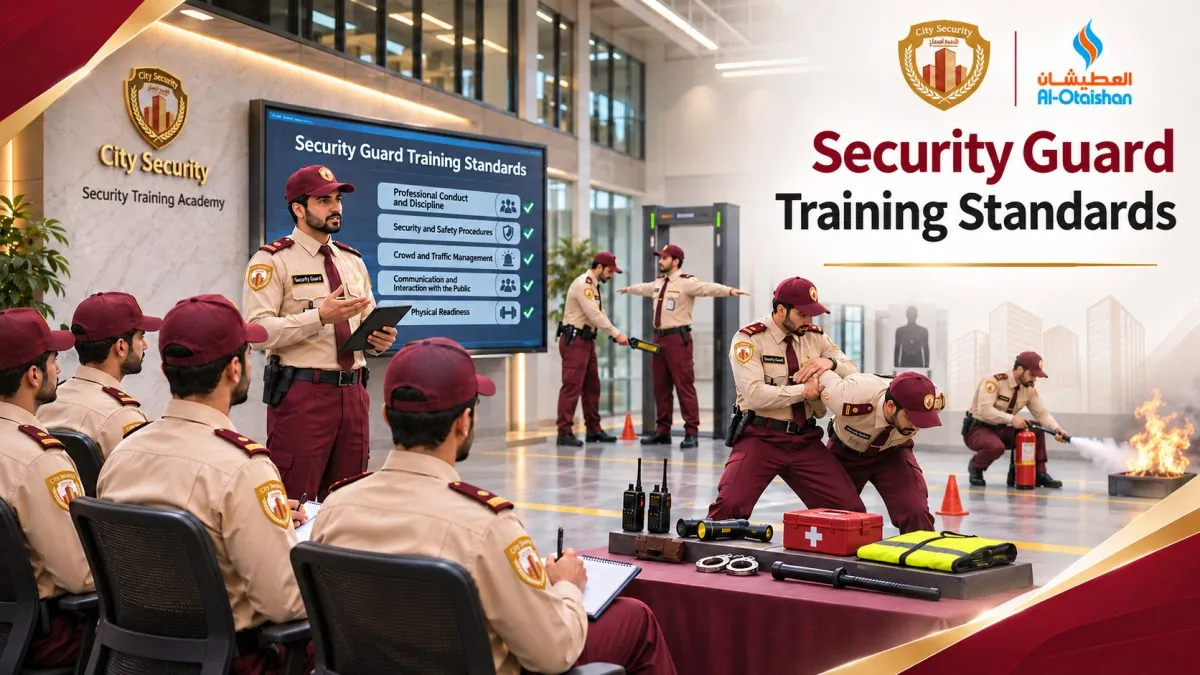
security-guard-training-standards

Security Guard Training Standards: Skills That Build Readiness

Security guard training does not end with explaining instructions on the first day of employment. Professional readiness develops through skills in observation, communication, discipline, risk awareness and the structured handling of different situations. Training priorities also vary by facility type.

Essential Skills for Security Guards

A guard needs to understand assigned duties and authority, access procedures, visitor handling and the accurate, impartial recording of observations. Effective communication is also essential to prevent misunderstandings and maintain respect when enforcing instructions.

Training for Site-Specific Scenarios

A hotel presents different scenarios from a factory or residential compound. Teams should practice likely situations at their assigned locations, such as congested entrances, gate malfunctions or incidents requiring notification of a supervisor. Periodic exercises and reviews of lessons learned are preferable.

Emergency Response and Evacuation

Guards should know emergency exits, assembly points, internal communication methods and approved procedures for requesting assistance. Their role is to report and help in line with the facility’s emergency plan and the instructions of competent authorities—not to undertake specialist rescue tasks without proper training or authorization.

Training in Technology and Documentation

Where an organization uses an attendance and security-status app, guards should be trained to enter accurate information, protect data confidentiality and avoid sharing passwords or clients’ photos without permission. The usefulness of a system depends on the quality of the information entered.

How Can You Measure Training Effectiveness?

Knowledge tests, observations of field performance, report quality, compliance with shift procedures and exercise outcomes can all help. The goal is to use these indicators for coaching and improvement, not simply count training hours or certificates issued.

Conclusion

A trained guard does not rely on memorized instructions alone. Effective performance means knowing when to act, when to report and how to document what happened. Training programs should reflect the site’s risks and operating procedures.

Call to action: Looking for security services tailored to your facility? Contact City Security’s sales team: +966 53 966 4165 | sales@citysecuritysa.com.

whatsapp-icon
Logo

We specialize in security services, consultations, and the provision of safety systems, ensuring comprehensive protection tailored to our clients' needs.