night-security-guarding-challenges

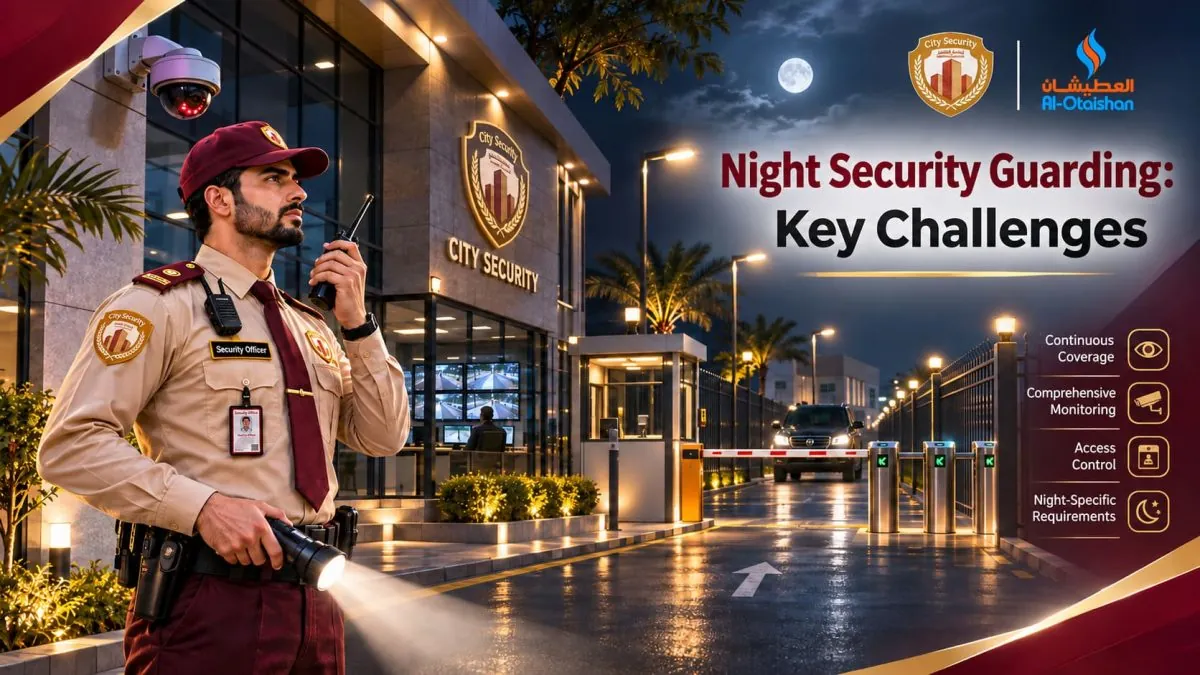
Night Security Guarding: Key Challenges and Ways to Improve Readiness

Night operations differ from daytime work. Employee and visitor movements may decrease, while lighting, communications and response support become more demanding. Effective night guarding therefore requires a plan tailored to the site rather than a simple repeat of daytime arrangements.

What Are the Main Night Security Challenges?

Common challenges include low visibility in certain areas, changing vehicle traffic patterns, smaller teams and the difficulty of detecting some faults or breaches quickly. Fatigue from long shifts can also affect concentration, making rest arrangements important in accordance with relevant rules and instructions.

Lighting and Patrol Routes

Areas requiring monitoring should be identified, lighting at entrances, walkways and outdoor spaces reviewed, and patrol instructions established based on risk assessment. Patrols must not leave critical points uncovered or require guards to approach hazards without appropriate support.

Shift Handover Procedures

Handover is essential for communicating observations from the previous shift, equipment condition and unresolved follow-up items. A well-maintained electronic log may reduce information loss between shifts when used in accordance with approved procedures.

Communication and Emergency Management

Night teams need reliable communication tools, defined contact numbers and suitable escalation plans. Doors, exits and emergency access routes should be reviewed with facility representatives without compromising safety procedures.

The Role of Digital Monitoring

Attendance systems, security-status updates and periodic reporting may provide clearer information to supervisors and clients. Nevertheless, digital monitoring does not remove the need for supervisory visits or on-site assessments of real conditions.

Conclusion

Night guarding works best when duties are allocated appropriately, lighting and communication equipment are reliable, handover procedures are clear and records are maintained regularly. Every night security plan should be built around the facility’s own risks.

Call to action: Looking for security services tailored to your facility? Contact City Security’s sales team: +966 53 966 4165 | sales@citysecuritysa.com.


role-of-security-guards-in-incident-prevention

The Role of Security Guards in Preventing Incidents at Facilities

Incident prevention is a shared responsibility among facility management, security, safety and operations teams. Security guards support this system through observation, reporting, movement management and action taken under approved instructions. They do not replace civil defense or specialist safety teams.

Early Observation Reduces Surprises

A guard may notice an obstruction in a designated corridor, a door that should remain closed or unusual crowding at a facility entrance. Early reporting helps the responsible team assess and address such issues before they develop further.

Managing Movement and Access

Applying entry and exit procedures helps reduce overlap among visitors, vehicles and operational areas, particularly at shipping and receiving sites or events. Instructions to guards should be clear and respect safety and individual rights.

Reporting and Escalation

Noticing a problem is not enough if there is no clear way to notify a supervisor or management. Knowing escalation levels, contact numbers and each party’s responsibilities is therefore fundamental to guard readiness.

Supporting Emergency Response

During an emergency, the guard follows the approved plan, helps direct people, keeps designated routes clear and requests assistance from the competent authorities. Personnel should not be assigned specialist rescue, firefighting or first-aid duties without the required training, equipment and authorization.

Documentation After an Incident

Guards should record what they personally observed, when events occurred and which parties were informed, using objective language without speculation. These records support procedural review and improvement, while confidentiality must be respected and details shared only with authorized parties.

Conclusion

The main value of preventive guarding lies in regular vigilance, prompt reporting and disciplined adherence to procedures. Clearer responsibilities and better coordination help facilities manage everyday risks more effectively.

Call to action: Looking for security services tailored to your facility? Contact City Security’s sales team: +966 53 966 4165 | sales@citysecuritysa.com.

whatsapp-icon
Logo

We specialize in security services, consultations, and the provision of safety systems, ensuring comprehensive protection tailored to our clients' needs.